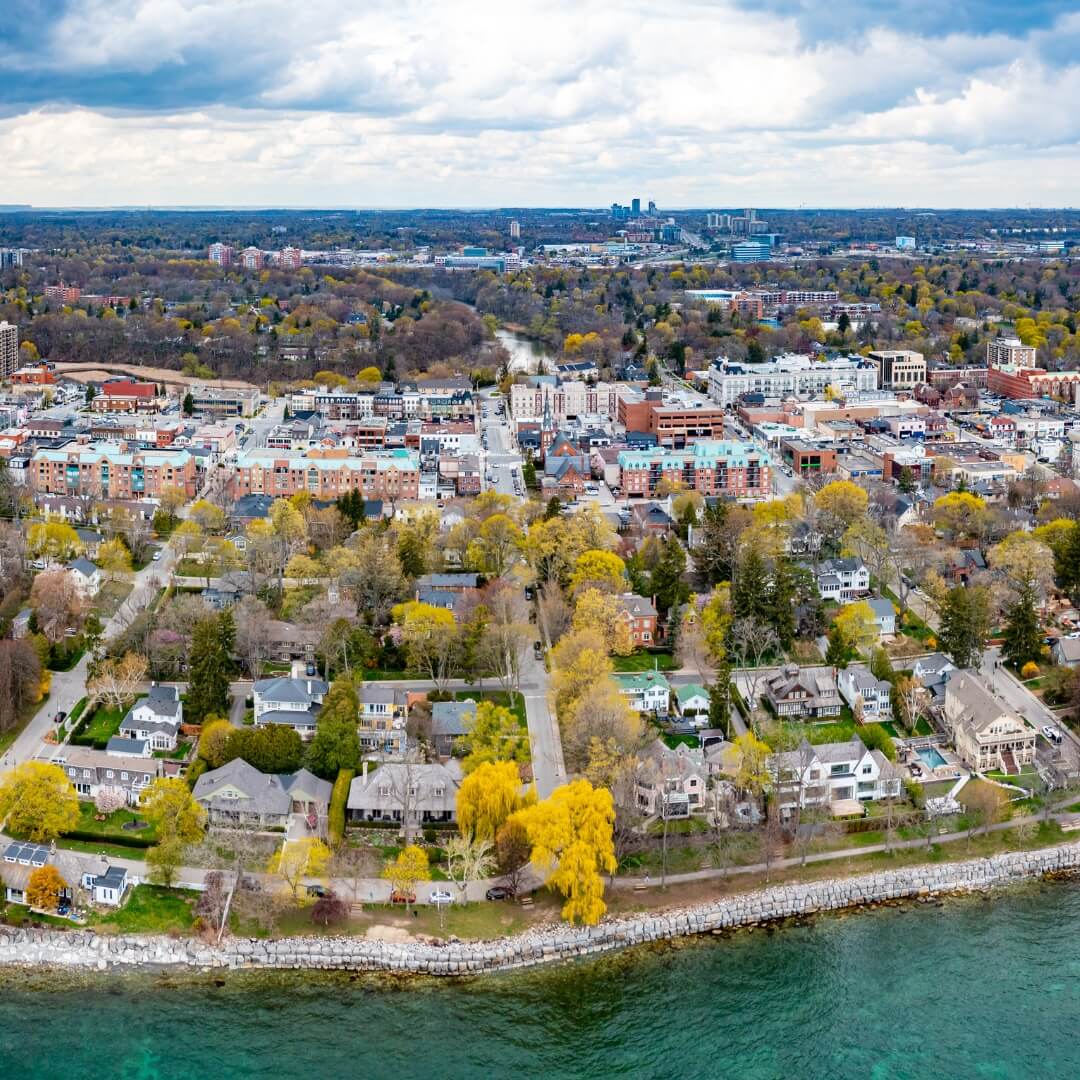


Downsizing your home in Burlington is one of life’s most significant transitions, and whether you’re an empty nester ready to simplify, a retiree seeking a maintenance-free lifestyle, or simply looking to reduce your living expenses, the journey requires careful planning and expert guidance. This comprehensive guide will walk you through every aspect of downsizing your home in Burlington, Oakville, Mississauga, Ancaster, Hamilton, Grimsby, and the surrounding areas, ensuring your transition is not only smooth but financially advantageous.
Understanding Why Downsizing Your Home in Burlington Makes Sense
The decision to downsize isn’t just about moving to a smaller space, it’s about optimizing your lifestyle for the next chapter of your life. Many homeowners considering downsizing your home in the Burlington area are discovering that their large family homes no longer serves their current needs. The children have moved out, the maintenance feels overwhelming, and the property taxes continue to climb year after year.
Downsizing offers remarkable financial benefits that extend far beyond the immediate sale proceeds. By moving to a smaller, more efficient property, you can significantly reduce your monthly expenses including utilities, property taxes, insurance, and maintenance costs. These savings compound over time, creating additional wealth that can be redirected toward retirement savings, travel, hobbies, or even investment properties that generate passive income.
Beyond the financial advantages, downsizing provides an opportunity to declutter your life both physically and mentally. The process of sorting through decades of accumulated belongings can be surprisingly liberating, allowing you to focus on what truly matters while letting go of items that no longer serve a purpose in your life.
When is the Right Time for Downsizing Your Home in Burlington?
Timing your downsizing decision correctly can make a substantial difference in both your experience and your financial outcome. Several key indicators suggest it might be time to consider downsizing your home.
If you find yourself regularly commenting that your home feels too large or difficult to maintain, this is often your intuition signaling that change would be beneficial. Perhaps you’re only using a few rooms while others sit empty, or the thought of climbing stairs multiple times daily has become burdensome. These are natural signs that a more appropriately sized home would better suit your current lifestyle.
Life transitions also serve as ideal downsizing catalysts. Retirement represents an excellent opportunity to reassess your housing needs, especially if you’re looking to free up equity for your retirement years. Similarly, if your children have established their own homes and your nest is officially empty, maintaining a large property may no longer align with your priorities.
Market conditions play a crucial role in timing decisions as well. When downsizing your home in Burlington, Oakville, and Ancaster real estate markets have historically shown strong performance, and selling during a seller’s market can maximize your returns. Working with experienced professionals like Sarah Kiani, Realtor, ensures you understand current market dynamics and can time your sale strategically to achieve optimal results according to the Canadian Real Estate Association.
Choosing Your Ideal Downsized Property in Burlington
Selecting the right property requires balancing practical considerations with lifestyle preferences. Downsizing your home in Burlington and the Greater Hamilton Area offers diverse options, from luxury condominiums in downtown Burlington to charming bungalows in Grimsby, and everything in between.
Location should be your first consideration when evaluating potential properties. Think carefully about proximity to essential services, healthcare facilities, family members, and the activities you enjoy most. Many downsizers in Oakville and Mississauga prioritize walkable neighbourhoods with easy access to shops, restaurants, and community centers. The ability to accomplish daily tasks without relying solely on a vehicle becomes increasingly valuable over time.
Property type significantly impacts your lifestyle and ongoing maintenance responsibilities. Condominiums offer maintenance-free living with many amenities included, making them particularly attractive for those who want to travel extensively or simply eliminate yard work from their lives. Townhomes provide a middle ground with less maintenance than detached homes while still offering some outdoor space. Bungalows remain popular among downsizers who wish to avoid stairs entirely while maintaining a traditional homeownership experience.
Size matters, but square footage alone doesn’t tell the complete story. Focus on functional layouts that work for your daily life rather than simply seeking the smallest possible space. An efficiently designed 1,200 square foot home with excellent storage and flow may serve you far better than a poorly laid out 1,800 square foot property. Consider how you actually live, do you entertain frequently? Do you have hobbies requiring dedicated space? Will grandchildren visit regularly? These questions should guide your square footage requirements.
The surrounding community deserves equal attention to the property itself. Investigate what amenities, social opportunities, and services exist nearby. Many areas of Ancaster and Hamilton feature vibrant 55+ communities that offer built-in social networks and activities, while urban condominiums in Burlington provide culture, dining, and entertainment at your doorstep.
Downsizing Your Home in Burlington Timeline: What to Expect
Successful downsizing requires adequate planning time. Typically six to twelve months from initial decision to final move. When downsizing your home in the Burlington area, rushing the process often leads to stress and suboptimal decisions, while proper planning ensures every detail receives appropriate attention.
Begin your downsizing journey by thoroughly assessing your current situation and future goals. Take inventory of your existing home, identifying what makes sense to keep, what should be sold or donated, and what holds sentimental value requiring special consideration. This initial assessment phase typically takes several weeks as you realistically evaluate your belongings and space requirements.
Financial planning should occur early in your timeline. Consult with financial advisors to understand how downsizing fits into your broader retirement and wealth-building strategy. Calculate potential proceeds from your current home sale, research property values in your target areas, and create a comprehensive budget that accounts for moving expenses, potential renovations, and closing costs.
The decluttering and organizing phase represents one of the most time-consuming aspects of downsizing. Most homeowners underestimate how long this process takes, especially when dealing with decades of accumulated possessions. Starting at least four to six months before your anticipated move provides sufficient time to sort through belongings thoughtfully rather than making hasty decisions under pressure.
Three to four months before your target moving date, engage with real estate professionals who specialize in your local market. This is when partnering with experts who understand both the selling and buying process becomes invaluable. They can provide accurate property valuations, recommend strategic improvements to maximize your sale price, and begin identifying potential downsizing properties that match your criteria.
Preparing Your Current Home for Sale
Maximizing the sale price of your current property directly impacts your downsizing budget and future financial flexibility. Strategic preparation transforms your home from lived-in to market-ready, attracting serious buyers and commanding premium offers.
Professional staging represents one of the most effective investments you can make when selling your property. Staged homes consistently sell faster and for higher prices than unstaged properties, with statistics showing average increases of three to ten percent above comparable unstaged homes. Quality staging highlights your home’s best features, helps buyers visualize themselves in the space, and creates an emotional connection that translates to stronger offers.
Decluttering serves dual purposes in the downsizing process. It prepares your current home for sale while simultaneously forcing you to begin the sorting process for your move. Remove excess furniture to make rooms appear larger, clear countertops and surfaces to showcase storage space, and pack away personal items that might distract buyers from seeing the property’s potential.
Strategic improvements yield significant returns when chosen carefully. Focus on high-impact updates that buyers notice immediately-fresh paint in neutral colors, updated light fixtures, modern hardware on cabinets, and ensuring all minor repairs are addressed. Curb appeal cannot be overstated; your home’s exterior creates the all-important first impression that sets the tone for the entire showing experience.
Professional photography and marketing materials distinguish your property in competitive markets like Oakville and Burlington. High-quality images, virtual tours, and comprehensive online listings ensure maximum exposure to potential buyers. Experienced real estate teams understand how to position your property to attract the right buyers quickly, and resources like the Real Estate Council of Ontario can help you understand professional standards.
Navigating the Emotional Aspects of Downsizing Your Home
Downsizing your home in Burlington isn’t purely a financial or logistical transaction, it’s an emotional journey that requires acknowledgment and healthy processing. The home you’re leaving likely holds decades of memories, from children’s first steps to family celebrations, and saying goodbye naturally evokes complex feelings.
Give yourself permission to grieve what you’re leaving behind. This doesn’t mean you’re making the wrong decision; it simply means you’re human. Set aside time to walk through your home, remember important moments, and take photographs of spaces that hold special meaning. Some homeowners find it helpful to create memory books or digital albums celebrating their time in their family home.
Focus intentionally on the positive aspects of your transition. Downsizing your home represents freedom from burdensome maintenance, financial flexibility, and the opportunity to design a lifestyle that perfectly suits your current priorities. Many downsizers discover they feel lighter, more energized, and more present once they’ve simplified their living situation.
Involve family members appropriately in the process, especially adult children who may have sentimental attachments to your family home. Give them opportunities to take meaningful items they’d like to keep, share memories about the house, and discuss your reasons for downsizing. This inclusion can help everyone process the transition more smoothly.
Professional support makes a substantial difference during emotional transitions. Working with a realtor who understands the unique challenges of downsizing. Someone who listens to your concerns, moves at your pace, and provides both practical guidance and emotional support – transforms what could be an overwhelming experience into a manageable journey. This is precisely the type of client-focused approach that distinguishes exceptional real estate professionals from merely competent ones.
Decluttering and Organizing Your Belongings
The sorting process represents the most time-intensive aspect of downsizing for most homeowners. Systematic approaches prevent overwhelm and ensure nothing important gets accidentally discarded in the rush to meet deadlines.
The four-category system provides a simple framework for decision-making: keep, sell, donate, and discard. As you evaluate each item, ask yourself practical questions – have I used this in the past year? Does it serve a purpose in my future home? Does it bring me genuine joy or hold irreplaceable sentimental value? Being honest in your answers prevents you from simply transferring clutter from one home to another.
Start with the easiest areas first to build momentum and confidence in your decision-making abilities. Tackle obvious items like outdated clothing, duplicate kitchen gadgets, and unused sporting equipment before moving to more emotionally charged categories like family photographs and heirlooms. This gradual approach feels less overwhelming and helps you develop discernment about what truly deserves space in your downsized home.
Digital documentation provides peace of mind for sentimental items that don’t need to occupy physical space. Photograph important documents, children’s artwork, old letters, and other memorabilia. These digital archives preserve memories without requiring storage space, allowing you to let go of the physical items with less anxiety.
Estate sales and online marketplaces offer opportunities to convert unwanted items into cash that can offset moving expenses. Quality furniture, collectibles, and vintage items often sell quickly in areas like Ancaster and Grimsby where buyers appreciate well-maintained pieces. Online platforms expand your reach, while professional estate sale companies handle everything from pricing to sales, though they take a percentage of proceeds.
Charitable donations benefit your community while potentially providing tax deductions. Many organizations in the Burlington and Hamilton regions gratefully accept furniture, clothing, housewares, and other items in good condition. Schedule pickups for large donations to minimize the physical demands on you during an already busy time.
Financial Considerations When Downsizing Your Home in Burlington
Downsizing your home presents a unique opportunity to strategically enhance your financial position, and thoughtful planning ensures you maximize these benefits rather than inadvertently diminishing them through poor decisions.
The equity released from selling your larger home represents a substantial financial asset that deserves careful consideration. Rather than simply purchasing another property at your maximum budget, explore how strategic downsizing can create financial flexibility. The difference between your sale proceeds and your new property purchase price can be redirected toward multiple wealth-building strategies.
Tax implications vary depending on your specific situation, particularly regarding capital gains on your primary residence. In Canada, primary residence exemptions generally eliminate capital gains taxes on your principal home, making downsizing your home particularly attractive from a tax perspective according to the Canada Revenue Agency. However, consulting with tax professionals ensures you understand how your specific situation interacts with current tax laws.
Investment opportunities become accessible when downsizing frees up significant equity. Many retirees in the Oakville and Mississauga areas choose to invest a portion of their downsizing proceeds into rental properties or other income-generating investments. This approach builds generational wealth while providing passive income streams that enhance retirement security.
Reduced ongoing expenses compound dramatically over time. Lower property taxes, decreased utility costs, minimal maintenance requirements, and reduced insurance premiums add up to thousands of dollars annually. When these savings are invested rather than spent, they generate additional returns that significantly enhance your financial position over decades.
Mortgage considerations deserve attention as well. Some downsizers choose to purchase their new property mortgage-free, eliminating monthly payments and reducing financial stress. Others maintain strategic mortgages to preserve liquidity and investment flexibility. Your optimal approach depends on your risk tolerance, income sources, and long-term financial goals.
Finding Your Perfect Downsized Home
The search for your ideal property should feel exciting rather than overwhelming when approached with clear criteria and professional guidance. Understanding what matters most to you streamlines the process and prevents you from getting distracted by properties that don’t align with your priorities.
Create a comprehensive wish list that distinguishes between absolute requirements and nice-to-have features. Absolute requirements might include single-level living, proximity to family, or specific accessibility features. Nice-to-have features could include a second bedroom for guests, a patio space, or particular amenities. This clarity helps your real estate professional identify suitable properties efficiently.
Tour multiple properties even if they seem slightly outside your initial parameters. Sometimes the perfect home doesn’t look perfect on paper, and viewing a variety of options helps refine your understanding of what you truly value. Take notes and photographs during viewings to help remember specific features and compare properties later.
Evaluate not just the property but the entire lifestyle it enables. Can you easily access the activities and services you enjoy? Does the community offer opportunities to connect with like-minded people? Will this location work if your mobility changes in the future? These forward-thinking questions prevent you from needing to move again in a few years.
Pay attention to how you feel in each property. While practical considerations matter immensely, your emotional response to a space should not be dismissed. The home where you feel immediately comfortable, where you can visualize your furniture and imagine your daily routine, often turns out to be the right choice even if it wasn’t exactly what you initially pictured.
Working with real estate professionals who specialize in the Burlington, Oakville, Hamilton, Ancaster, Grimsby, and Mississauga markets provides invaluable advantages. Local experts understand neighbourhood nuances, recognize fair pricing, and often know about properties before they officially hit the market. This insider knowledge can be the difference between securing your ideal home and missing out to other buyers.
Making the Transition Smoothly
The actual moving process requires careful coordination of numerous moving parts, and advance planning prevents last-minute chaos and forgotten details.
Hire professional movers experienced with downsizing relocations. These specialists understand the unique challenges of moving from larger homes to smaller spaces and can provide valuable guidance on logistics. Obtain multiple quotes, verify insurance coverage, and book early, especially during busy summer months when moving companies operate at capacity.
Create a comprehensive moving binder or digital system that tracks all critical information – contact numbers for movers, utility companies, service providers, important documents, inventories of boxes, and timeline checklists. This centralized organization prevents things from falling through the cracks during a hectic period.
Coordinate utility transfers well in advance of your moving date. Schedule disconnections at your current property and connections at your new home to ensure seamless transitions without gaps in service or paying for utilities at both properties simultaneously. Update your address with financial institutions, insurance companies, healthcare providers, and government agencies.
Plan your new home’s layout before moving day. Measure rooms and major furniture pieces to ensure everything fits appropriately. Knowing exactly where each item will go streamlines the unpacking process and prevents the frustration of maneuvering large pieces through doorways only to discover they don’t work in the intended space.
Build in buffer time between closing on your new property and vacating your old one if financially feasible. This overlap allows you to move gradually, clean thoroughly, and address any unexpected issues without time pressure. Even a few days can dramatically reduce moving stress.
Life After Downsizing Your Home: Embracing Your New Chapter
Settling into your downsized home marks the beginning of an exciting new phase rather than the end of the process. After downsizing your home in Burlington, giving yourself grace during the adjustment period ensures you can fully appreciate the benefits of your decision.
Expect an adjustment period as you adapt to your new space and routine. It’s normal to occasionally miss aspects of your previous home or feel temporarily disoriented in unfamiliar surroundings. These feelings typically pass within a few months as your new property becomes truly home.
Personalize your space thoughtfully with the meaningful items you chose to keep. Display cherished photographs, arrange furniture to optimize comfort and flow, and incorporate elements that reflect your personality and interests. Your downsized home should feel like a curated collection of what matters most rather than a storage unit for everything you’ve ever owned.
Engage with your new community actively. Introduce yourself to neighbours, explore local businesses and restaurants, and investigate clubs or activities that interest you. Building social connections in your new area accelerates the feeling of belonging and reveals opportunities you might not have discovered otherwise.
Maintain focus on the positive changes downsizing your home enables. Perhaps you’re traveling more frequently without worrying about property maintenance, spending less time cleaning and more time on hobbies, or sleeping better knowing your financial position is stronger. Regularly acknowledging these improvements reinforces that you made the right decision.
Why Professional Guidance Matters for Downsizing Your Home in Burlington
Downsizing your home involves countless decisions and logistical considerations that can quickly become overwhelming without experienced guidance. The right real estate professional serves as advisor, advocate, and project manager throughout your journey when downsizing your home in Burlington.
Market expertise ensures you price your current home competitively while identifying fairly priced downsizing options that represent solid value. Professionals who specialize in Burlington, Oakville, Mississauga, Ancaster, Hamilton, and Grimsby understand local market nuances that significantly impact buying and selling strategies.
Negotiation skills protect your interests and maximize financial outcomes. Whether securing top dollar for your family home or negotiating favorable terms on your downsized property, experienced negotiators consistently achieve better results than homeowners attempting to navigate transactions independently.
Professional networks provide access to trusted service providers including stagers, photographers, movers, contractors, and other specialists who make the process smoother. These relationships have been built over years and ensure you work with reliable professionals rather than gambling on unknown providers.
Emotional support shouldn’t be underestimated as a valuable component of professional real estate assistance. Downsizing can be emotionally challenging, and having an experienced advisor who listens to your concerns, respects your pace, and provides reassurance during stressful moments makes the entire experience more positive.
Your Downsizing Journey Starts Here
Downsizing represents far more than simply moving to a smaller space – it’s a strategic lifestyle decision that can enhance your financial security, reduce stress, and create new opportunities for the next chapter of your life. Whether you’re ready to downsize immediately or planning for a future transition, understanding the complete process empowers you to make informed decisions that align with your goals.
The Burlington, Oakville, Mississauga, Ancaster, Hamilton, and Grimsby regions offer exceptional downsizing opportunities with diverse property types, vibrant communities, and strong market conditions. Taking the time to plan thoughtfully, prepare strategically, and work with experienced professionals ensures your downsizing experience exceeds expectations.
If you’re considering downsizing in the Greater Hamilton Area, connecting with real estate professionals who understand the unique aspects of this transition is essential. From accurately valuing your current property to identifying ideal downsized homes and navigating every step between, the right guidance transforms what could be an overwhelming process into an exciting journey toward simplified, financially secure living.Your perfect downsized home is waiting, the only question is whether you’re ready to take the first step toward claiming it. Contact Kiani and Co. today to get started!

Meet Our Team
Wondering how our expertise works for your real estate transaction? Find out about how our team works and our unique skill set here.