
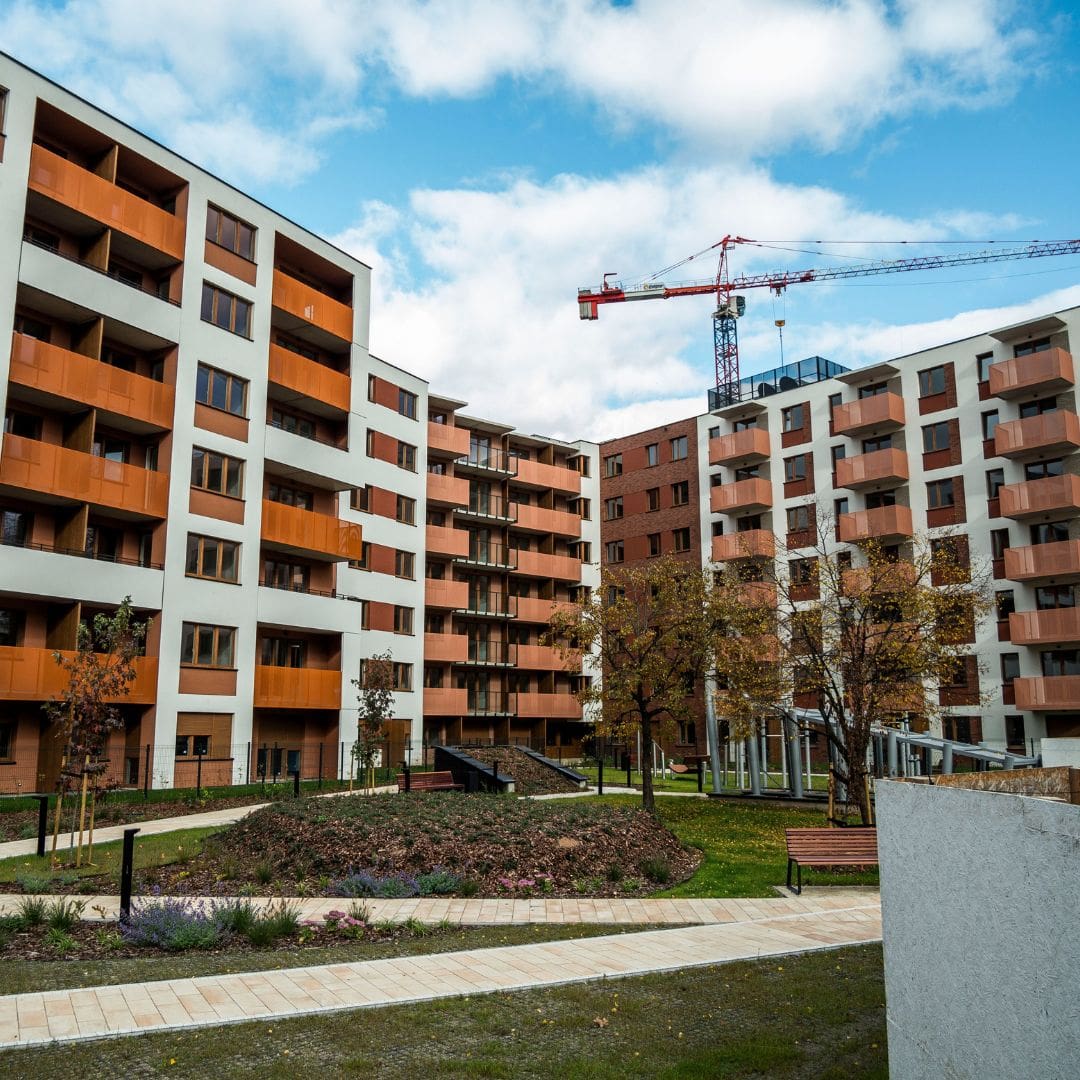
Buying a brand-new home can be exciting. You may have the opportunity to choose finishes, enjoy modern features, move into a growing community, and own a property that no one else has lived in. However, buying pre-construction in Burlington is very different from purchasing a resale home, and understanding those differences before signing an agreement can make a significant difference in your experience.
Pre-construction purchases can involve longer timelines, staged deposits, builder-specific agreements, construction delays, interim occupancy for condominiums, closing adjustments, and financing considerations that may not arise in the same way with a traditional resale transaction.
At Kiani & Co., we believe a high-quality buying experience begins well before an agreement is signed. Buyers should understand not only what they are purchasing, but also how that property fits their lifestyle, financial plans, and long-term real estate goals.
Led by Sarah Kiani, Realtor, our team brings extensive local and personal real estate experience to buyers throughout Burlington and the surrounding GTHA.
Whether you are searching for your future home or considering a new property as part of an investment strategy, this guide covers some of the most important things to know about buying pre-construction in Burlington in 2026.
Why Buying Pre-Construction in Burlington Appeals to Buyers
Burlington continues to grow while maintaining many of the qualities that make it one of the most desirable communities between Toronto and Hamilton.
The city offers access to GO Transit, the QEW, Highway 403, Lake Ontario, established shopping districts, parks, trails, schools, restaurants, and a wide range of residential neighbourhoods.
New housing is also playing an important role in Burlington’s future. Through its Housing Accelerator Fund initiatives, the City has been working to increase housing supply, expand housing options, and support transit-oriented growth around Burlington’s three GO Transit stations.
Buyers who want to understand the city’s broader housing plans can review the City of Burlington’s Housing Accelerator Fund information.
Some common reasons buyers consider pre-construction include:
- The opportunity to purchase a brand-new home
- Contemporary layouts, finishes, building systems, and amenities
- Potential opportunities to select upgrades or finishes
- A longer period between purchase and possession
- Access to new communities and developments
- Potential long-term investment opportunities
- Less immediate maintenance than may be required in an older resale property
However, being new does not automatically make a property a good purchase.
The builder, location, floor plan, agreement, price, financing strategy, and future marketability all deserve careful consideration.
What Does Buying Pre-Construction Actually Mean?
A pre-construction property is purchased before construction has been completed.
Depending on when you enter the project, the development may still be in planning, actively under construction, or approaching completion.
Instead of walking through the exact finished property, buyers may need to make decisions based on:
- Floor plans
- Architectural renderings
- Model suites
- Site plans
- Builder specifications
- Finish samples
- Sales materials
- Proposed amenities
That makes due diligence particularly important.
You are not simply evaluating what exists today. You are evaluating what the builder has agreed to deliver in the future.
1. Research the Builder Before Choosing a Property
Beautiful renderings and impressive sales centres can make it easy to become attached to a project before investigating the company behind it.
Start with the builder.
In Ontario, new-home builders and sellers must be licensed by the Home Construction Regulatory Authority. Buyers can use the official Ontario Builder Directory to review information such as licensing status, years of activity, number of homes built, warranty information, and certain regulatory actions.
Before committing to a development, consider questions such as:
- Is the builder currently licensed?
- How long has the builder been active?
- What communities or buildings has the builder completed?
- Can you research or visit completed projects?
- Does the builder have experience with this type of development?
- What does its regulatory history show?
- How have previous projects aged?
- How do completed properties compare with the quality advertised for the new development?
A premium purchase deserves more research than simply choosing your favourite kitchen package.
2. Understand the Agreement of Purchase and Sale
Pre-construction Agreements of Purchase and Sale can be detailed documents containing important rights, obligations, deadlines, costs, and conditions.
Depending on the property, your agreement may contain provisions addressing:
- Deposits
- Construction timelines
- Occupancy dates
- Closing dates
- Adjustments
- Development-related charges
- Changes to plans or finishes
- Assignments
- Builder extensions
- Property measurements
- Common elements
- HST
- Termination rights
Buyers should have their agreement reviewed by a qualified Ontario real estate lawyer familiar with new-construction transactions.
Your Realtor can help you evaluate the property, location, project, comparable opportunities, and overall buying strategy. Your lawyer should advise you on the legal meaning and implications of the agreement itself.
Having the right professionals involved from the beginning is part of making an informed purchase.
3. Ontario Condo Buyers Should Understand the 10-Day Cooling-Off Period
If you are purchasing a pre-construction condominium in Ontario, there is an important consumer protection you should know about.
Purchasers generally receive a 10-day cooling-off period. According to the Condominium Authority of Ontario, that period begins once the buyer has received the latest of the fully signed purchase agreement, the current disclosure statement, and the most recent Condo Buyers’ Guide.
The Condominium Authority of Ontario’s pre-construction condo guidance explains the cooling-off period and other important considerations for new condominium buyers.
Use this period productively.
It can provide time to:
- Have your lawyer review the agreement
- Revisit your financing
- Review the disclosure statement
- Understand projected condominium expenses
- Examine potential closing adjustments
- Ask questions about the development
- Confirm the purchase still aligns with your goals
Ten days can pass quickly, so arrange your legal and financing reviews as soon as possible after signing.
4. Understand the Deposit Structure
Pre-construction deposits often work differently from deposits on resale properties.
Rather than providing one deposit and proceeding toward a relatively near-term closing, builders may collect deposits through a series of instalments.
The exact structure varies by project.
Before signing, make sure you understand:
- The total deposit required
- How much is due when you sign
- Each future deposit deadline
- How deposits are held
- What deposit protection may apply
- What happens if the transaction does not close
- Whether additional funds are required before occupancy or closing
Your deposit may be committed for a considerable period before the home is delivered, so these dates should be part of your financial planning from the beginning.
5. Know About Ontario’s 2026 Tarion Registration Requirement
An important change took effect for purchasers of new freehold homes in Ontario on April 1, 2026.
Freehold purchasers are required to notify Tarion of their new-home purchase by registering within 45 days of signing the Agreement of Purchase and Sale.
Registration creates a record of the purchase, allows Tarion to provide warranty information earlier in the process, and helps confirm whether the builder has complied with its obligations.
Buyers can review the process through Tarion’s New Home Purchase Registration page.
There is also an important transition rule involving deposit coverage.
Tarion states that purchasers who register within the required period will qualify for the maximum amount of deposit coverage available under the warranty program. However, Tarion has deferred changes to the deposit-coverage consequences of late or missing registration until January 1, 2027.
You can review the latest details through Tarion’s pre-possession coverage information.
Because deposit protection depends on the type of home, purchase price, timing, and circumstances, buyers should confirm the current rules that apply to their particular purchase.
6. Budget for More Than the Purchase Price
When buying pre-construction in Burlington, one of the most important financial steps is understanding the complete cost of the transaction.
The advertised purchase price is only one part of your budget.
Depending on your agreement and property type, additional costs may include:
- Legal fees
- Land transfer tax
- Title insurance
- Builder adjustments
- Development-related charges
- Utility-related adjustments
- Selected upgrades
- Condominium expenses
- Tarion-related fees
- Moving expenses
- Financing costs
- HST considerations
Not every project charges the same costs, and the wording of the purchase agreement matters.
Before the transaction becomes firm, ask your lawyer to identify potential adjustments and other amounts that could become payable at closing.
Unexpected costs can be particularly frustrating after waiting months or years for a home. A well-planned purchase should minimize those surprises.
7. Review the New Ontario Housing Rebates Available in 2026
Ontario buyers purchasing certain new homes in 2026 may want to investigate significant HST relief introduced this year.
The Canada Revenue Agency currently outlines an Ontario Enhanced New Housing Rebate, or ENHR, for qualifying homes.
For purchases from a builder, the temporary program generally applies to eligible Agreements of Purchase and Sale entered into between April 1, 2026 and March 31, 2027, subject to additional requirements.
For qualifying individuals purchasing a home for use as their own or a relation’s primary residence, the enhanced rebate together with the regular Ontario new housing rebate can provide relief of up to $80,000 from the provincial portion of HST.
The rebate varies by property value. Current CRA guidance provides:
- Full provincial HST relief up to $80,000 for qualifying new homes valued up to $1 million
- A flat $80,000 rebate for qualifying homes above $1 million and up to $1.5 million
- A partial enhanced rebate for qualifying homes above $1.5 million and below $1.85 million
- No enhanced Ontario rebate at $1.85 million and above, although the regular Ontario new housing rebate may still be available
Buyers can review the details through the CRA’s Ontario Enhanced New Housing Rebate guidance.
Ontario New Home Affordability Payment
There is another important 2026 benefit to investigate.
Individuals who qualify for the Ontario Enhanced New Housing Rebate may also qualify for the Ontario New Home Affordability Payment, or ONHAP.
Current CRA guidance states that ONHAP can provide up to $50,000, representing relief of up to 100% of the federal portion of HST paid. The payment is reduced by the federal portion of certain other applicable new-housing rebates.
Eligibility rules are specific, and buyers should not assume either program automatically applies simply because the property is newly built.
Factors such as purchase price, agreement date, intended use of the home, who will occupy it, and other rebate eligibility requirements can affect the amount available.
For advice specific to your circumstances, consult an appropriate tax or legal professional.
8. Understand Interim Occupancy for Pre-Construction Condos
One of the most misunderstood parts of purchasing a new condominium is the difference between interim occupancy and final closing.
They are not necessarily the same date.
What Is Interim Occupancy?
Interim occupancy can occur when a builder allows you to occupy your completed unit before the condominium corporation has been registered and title can officially be transferred.
You may be able to live in the unit, but you do not own it yet.
During this period, the buyer generally pays an interim occupancy fee to the builder.
The Condominium Authority of Ontario states that the fee cannot exceed the total of:
- Interest on the unpaid balance of the purchase price at the prescribed rate
- Estimated monthly municipal property taxes
- Projected common expenses for the unit
This is another reason buyers should understand their expected carrying costs well before receiving the keys.
What Is Final Closing?
Final closing occurs after the condominium corporation has been registered and title can be transferred to the buyer.
This is when ownership formally changes hands and permanent mortgage financing can generally be completed.
Understanding the difference helps buyers budget correctly and prevents the mistaken assumption that receiving the keys necessarily means the property is already legally theirs.
9. Plan Your Financing for the Future, Not Just Today
A long construction timeline can appear beneficial because it gives you additional time before possession.
It also creates uncertainty.
If you purchase today but do not close for several years, your financial circumstances and the lending environment could be different when the home is ready.
Factors that could change include:
- Mortgage rates
- Employment
- Household income
- Credit
- Personal debt
- Lending requirements
- Mortgage qualification rules
- The property’s appraised value
A financing conversation at the beginning of a pre-construction purchase does not necessarily guarantee that identical financing will be available when the home is finally ready.
Speak with a qualified mortgage professional before committing and continue reviewing your financial position throughout the construction period.
10. Consider the Risk of a Lower Appraisal at Closing
Another issue buyers sometimes overlook is future appraisal risk.
A lender may require an appraisal when the property is approaching closing.
Imagine purchasing a property for $900,000 today. If the lender’s future appraisal supports a lower value at closing, the amount the lender is willing to finance could be affected.
Depending on the circumstances, that may create a funding shortfall the buyer needs to cover.
This is one reason pre-construction should be approached as a significant long-term financial commitment rather than simply a reservation that begins with a deposit.
11. Prepare for Possible Construction Delays
Projected occupancy and closing dates can change.
Construction schedules can be affected by numerous factors, and buyers should avoid creating a moving plan that depends on everything happening on one exact date.
This can be particularly important if you are:
- Renting your current home
- Selling another property
- Relocating
- Coordinating a school change
- Planning around a new job
- Moving with a growing family
Ask your lawyer to explain the important dates and delay provisions in your agreement.
Flexibility can make the experience considerably easier if the construction schedule changes.
12. Do Not Assume You Can Sell the Agreement Before Closing
An assignment occurs when a purchaser transfers their interest in an Agreement of Purchase and Sale to another purchaser before taking final ownership.
Assignments receive considerable attention in pre-construction real estate, particularly among investors, but they are not automatically available.
Your agreement might:
- Permit assignments
- Prohibit assignments
- Require builder approval
- Charge an assignment fee
- Restrict when an assignment can occur
- Restrict how the property can be marketed
If the ability to assign your agreement matters to your buying strategy, investigate the clause before signing rather than assuming you will have the option later.
13. Think Like a Future Seller, Even If This Will Be Your Home
A home should support your lifestyle, but real estate is also a significant financial asset.
At Kiani & Co., we encourage buyers to think about a property’s future marketability even when they plan to live there for many years.
When evaluating a pre-construction property, consider the following.
Floor Plan
Is the layout functional?
An intelligently designed smaller unit can sometimes feel considerably more usable than a larger property with awkward hallways, undersized rooms, or wasted space.
Natural Light and Exposure
Consider the property’s orientation and window placement.
If you are purchasing a condominium, also investigate what could eventually be built nearby.
Parking
Determine whether parking is included, optional, or unavailable.
The importance of parking can vary considerably depending on the location and likely future buyer.
Storage
Review closet space, storage rooms, basement space, and whether a condominium locker is included.
Transit and Accessibility
Properties near convenient transportation can appeal to a wider range of future buyers.
Burlington’s continued growth around its GO stations makes understanding surrounding development particularly worthwhile.
Amenities
An extensive list of condominium amenities can look impressive, but amenities also contribute to operating expenses.
Consider whether you would genuinely use them and whether they make sense for the building’s target residents.
Future Supply
If many similar homes or condominium units are scheduled for completion nearby, future sellers may eventually face more competition.
The development matters, but so does the specific unit or home you choose within it.
14. Buying as an End User Versus an Investor
A homeowner and an investor may evaluate the same development very differently.
An end user may prioritize:
- Lifestyle
- Schools
- Commute
- Outdoor space
- Floor plan
- Design
- Community
- Long-term family needs
An investor may prioritize:
- Rental demand
- Purchase price
- Carrying costs
- Transit
- Tenant appeal
- Floor plan efficiency
- Future competing supply
- Cash flow
- Long-term resale potential
Neither strategy should depend on the assumption that property values will automatically increase.
If investment is your objective, Kiani & Co.’s real estate investment guidance can help you evaluate a property within a broader wealth-building strategy.
15. Compare Pre-Construction With Resale Before Deciding
Pre-construction can be an excellent fit for some buyers, but it should not be considered in isolation.
A resale home may offer:
- Immediate or near-term possession
- A property you can physically inspect
- An established streetscape
- Existing neighbourhood amenities
- Greater certainty about the surrounding area
- A known condominium history, if applicable
Pre-construction may offer:
- Brand-new finishes and systems
- Modern layouts
- New communities
- Potential personalization
- A longer purchasing timeline
Neither option is universally better.
Kiani & Co.’s all-inclusive home buying services help buyers compare opportunities based on the complete picture rather than limiting the search to one property category.
Families interested in Burlington can also explore our Burlington neighbourhood guide to compare different lifestyles and established communities throughout the city.
How Kiani & Co. Helps Pre-Construction Buyers
Buying something that has not yet been built requires a different kind of preparation.
Marketing materials are designed to showcase the project’s possibilities. Our role is to help you evaluate the real estate behind the presentation.
Kiani & Co. can help buyers:
- Identify opportunities that align with their objectives
- Compare projects and locations
- Evaluate available floor plans and units
- Consider future resale fundamentals
- Understand the surrounding community
- Assess the purchase alongside resale alternatives
- Connect with trusted mortgage, legal, and other professionals
- Prepare for the broader purchase process
Our approach is built around personalized guidance, careful evaluation, and helping clients make real estate decisions that work today and continue to make sense in the future.
If you want to see what is available, you can explore Kiani & Co.’s pre-construction opportunities or use our community guides to learn more about Burlington, Oakville, Hamilton, Mississauga, and other areas we serve.
Is Buying Pre-Construction in Burlington Right for You?
There is no universal answer.
For the right buyer, buying pre-construction in Burlington can provide access to a brand-new property, modern features, developing communities, and a purchase timeline that complements longer-term plans.
For someone else, an established resale home with a known condition and faster closing may be the stronger option.
The key is evaluating the complete purchase.
Research the builder. Understand the agreement. Plan for deposits and closing costs. Prepare your financing. Consider the property’s future marketability. Use the consumer protections available to you.
Most importantly, choose a home or investment that supports the life and financial future you are actually trying to build.
If you are considering a new development in Burlington or elsewhere in the GTHA, connect with the Kiani & Co. team for personalized guidance.
Frequently Asked Questions About Buying Pre-Construction in Burlington
Is buying pre-construction cheaper than buying resale?
Not necessarily. Pricing depends on the project, property type, location, incentives, market conditions, and timing. Buyers should compare the complete cost of a pre-construction property with suitable resale alternatives rather than assuming new construction will automatically cost less.
Do Ontario pre-construction condos have a cooling-off period?
Generally, yes. Purchasers of pre-construction condominium units in Ontario typically receive a 10-day cooling-off period after receiving all required documents. Buyers should use this period to obtain legal advice, review financing, and thoroughly assess the purchase.
Are pre-construction deposits protected in Ontario?
Ontario’s new-home warranty framework provides deposit protection in certain circumstances, subject to applicable rules and limits. Requirements and coverage can differ between freehold homes and condominiums, so buyers should review current Tarion guidance and their purchase agreement.
Do new freehold buyers have to register with Tarion in 2026?
Yes. As of April 1, 2026, purchasers of new freehold homes are required to notify Tarion by registering their purchase within 45 days of signing the Agreement of Purchase and Sale. Tarion has deferred the related changes to deposit-coverage consequences until January 1, 2027.
Can I sell my pre-construction property before it closes?
Possibly. This is generally done through an assignment, but assignment rights depend on the Agreement of Purchase and Sale. Builder approval, fees, timing restrictions, and other conditions may apply.
What happens if my property is worth less when it is completed?
The purchase obligation does not necessarily disappear because market value changes. A lower appraisal could also affect the amount a lender is willing to finance, potentially requiring the buyer to provide additional funds.
Do I need a lawyer when purchasing pre-construction?
Having a qualified Ontario real estate lawyer review a pre-construction Agreement of Purchase and Sale is strongly recommended. The agreement may include important provisions relating to deposits, closing costs, delays, assignments, occupancy, adjustments, and other buyer obligations.
When should I speak with a Realtor about pre-construction?
Ideally, before choosing a development or signing an agreement. Early guidance gives you more opportunity to compare projects, locations, individual units, resale alternatives, and long-term value before committing.